
Classic Three-Reel Slots vs Modern Video Slots: Choosing the Right Fit for Your Play Style
Slot machines have evolved significantly over the past few decades, yet the core question for players remains the same: should you stick with the simplicity of classic three-reel slots or explore the feature-rich world of modern video slots? Each format offers a distinct experience, shaped by mechanics, volatility, and player expectations. Understanding these differences is essential for making informed decisions that match your preferred pace, budget, and approach to gameplay.
Understanding the Core Differences Between Slot Types
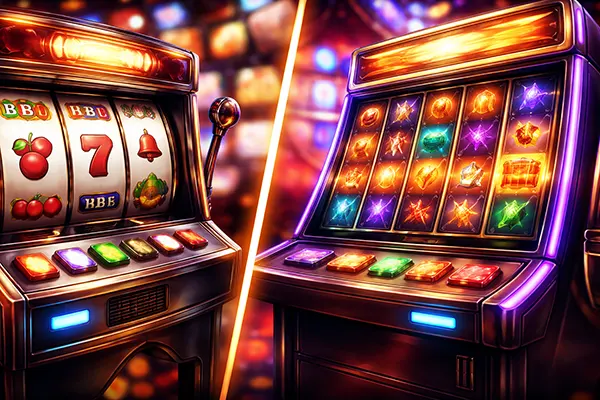
Classic three-reel slots are built around a straightforward structure. Typically featuring a limited number of paylines—often just one—they rely on familiar symbols such as bars, sevens, and fruits. The gameplay is predictable, with fewer variables influencing outcomes. This simplicity appeals to players who value clarity and minimal distractions.
Modern video slots, on the other hand, are designed with complexity in mind. They often include multiple reels (usually five or more), dozens or even hundreds of paylines, and various bonus features such as free spins, expanding wilds, and cascading reels. These elements significantly increase both engagement and variability in results.
Another key distinction lies in return-to-player (RTP) distribution. While both types can offer similar RTP percentages—commonly between 94% and 97%—classic slots tend to deliver more frequent but smaller wins, whereas video slots often feature higher volatility, meaning wins may be less frequent but potentially larger.
How Mechanics Influence Player Experience
The mechanics of a slot machine directly affect how a session unfolds. In three-reel slots, the absence of complex features means outcomes are easier to follow. Players can quickly understand the relationship between bet size, paylines, and potential payouts, which makes bankroll management more straightforward.
Video slots introduce layers of interaction. Features like multipliers, bonus rounds, and progressive jackpots create moments of heightened anticipation, but they also require a deeper understanding of the game rules. This added complexity can be engaging, though it may not suit players seeking a more relaxed experience.
Additionally, the pacing differs significantly. Classic slots tend to offer faster gameplay cycles, while video slots may include animations and bonus sequences that slow down the rhythm but enhance immersion.
Matching Slot Types to Different Playing Styles
Players who prefer consistency often gravitate towards classic slots. These machines provide a stable experience with predictable outcomes, making them suitable for shorter sessions or those who prefer to maintain tighter control over spending. The simplicity also reduces the learning curve, allowing immediate engagement.
In contrast, video slots appeal to those who enjoy variety and dynamic gameplay. The inclusion of themed narratives, cinematic visuals, and interactive features creates a more engaging environment. For players willing to invest time in understanding game mechanics, this format offers greater depth.
Risk tolerance plays a crucial role as well. Classic slots typically align with low to medium volatility, while video slots frequently operate at medium to high volatility levels. This means players seeking larger potential payouts may prefer video slots, provided they are comfortable with longer losing streaks.
Bankroll Strategy and Session Planning
Effective bankroll management depends on the chosen slot type. With classic slots, smaller and more frequent wins can help extend playtime, making them suitable for players with limited budgets. The straightforward structure also makes it easier to calculate expected outcomes over time.
Video slots require a different approach. Due to higher volatility, players should allocate a larger bankroll to withstand variance. Setting clear limits—both for losses and session duration—is essential to avoid rapid depletion of funds during extended dry spells.
It is also advisable to test different games in demo mode before committing real funds. This allows players to assess volatility, feature frequency, and overall pacing without financial risk, helping to refine their strategy.
Technological Advancements and Their Impact
The evolution of slot technology has significantly influenced player expectations. Classic slots, while often available in digital formats, retain their original design principles. Their appeal lies in nostalgia and simplicity rather than innovation.
Modern video slots, however, benefit from advanced graphics engines, mobile optimisation, and integration with gamification systems. Features such as achievements, tournaments, and in-game missions have become common, adding layers beyond traditional spinning mechanics.
Another important factor is accessibility. Video slots are designed to perform seamlessly across devices, including smartphones and tablets, making them more adaptable to current user behaviour. Classic slots are also available on these devices but may lack the same level of visual refinement.
Future Trends in Slot Design
Looking ahead, developers continue to experiment with hybrid models that combine elements of both classic and modern slots. For example, some games maintain a three-reel layout while introducing subtle bonus features, aiming to bridge the gap between simplicity and engagement.
There is also a growing emphasis on player transparency. Features such as volatility indicators, detailed paytables, and clear explanations of bonus mechanics are becoming standard, helping players make informed decisions.
As regulatory frameworks tighten across many markets, including the UK and parts of Europe, game design is increasingly shaped by responsible gambling requirements. This includes limits on autoplay, clearer win displays, and tools for session tracking, all of which influence how both classic and video slots are experienced.
Read also
-
all articlesClassic Three-Reel Slots vs Modern Video Slots: Choosing the Right Fit f...
Slot machines have evolved significantly over the past few decades, …
-
 all articlesFisherman’s Luck (Wazdan) — Analysis of the Slot’s Bonus Logic
Fisherman’s Luck by Wazdan is a fishing-themed slot released by …
-
 all articlesGalaxsys — Provider Review of Instant and Crash Games: What Players Shou...
Galaxsys is an Armenian game developer that has gained strong …
-
 all articlesGreat Rhino Megaways — a practical breakdown of Megaways maths and bonus...
Great Rhino Megaways is a high-variance safari slot built around …